Magic: The Gathering formats, explained
A format is a set of deckbuilding rules: which sets you can draw from, how big the deck is, how many copies of a card you can run, and which cards are banned. Pick one when you create a deck and Scry99 checks all of these rules for you as you build: deck size, copy limits, color identity, command-zone requirements, and each format's up-to-date banlist.
All formats at a glance
Scroll sideways for the rest of the table.
| Format | Deck | Copies | Life | Table | Card pool |
|---|---|---|---|---|---|
| Commander | 100 exact | 1 (singleton) | 40 | Multiplayer | Eternal: cards from all of Magic's history |
| Oathbreaker | 60 exact | 1 (singleton) | 20 | Multiplayer | Eternal: cards from all of Magic's history |
| Standard | 60+ | 4 | 20 | 1v1 | Rotating: roughly the last three years of sets |
| Pioneer | 60+ | 4 | 20 | 1v1 | Eternal: Return to Ravnica (2012) onward |
| Modern | 60+ | 4 | 20 | 1v1 | Eternal: 8th Edition / Mirrodin (2003) onward |
| Legacy | 60+ | 4 | 20 | 1v1 | Eternal: all sets, with a deep banlist |
| Vintage | 60+ | 4 | 20 | 1v1 | Eternal: all sets, restricted list instead of bans |
| Pauper | 60+ | 4 | 20 | 1v1 | Eternal: any card ever printed at common |
| Casual | Any | Any | 20 | Multiplayer | Anything you own |
Commander
The most popular way to play Magic: big, social, 100-card games.
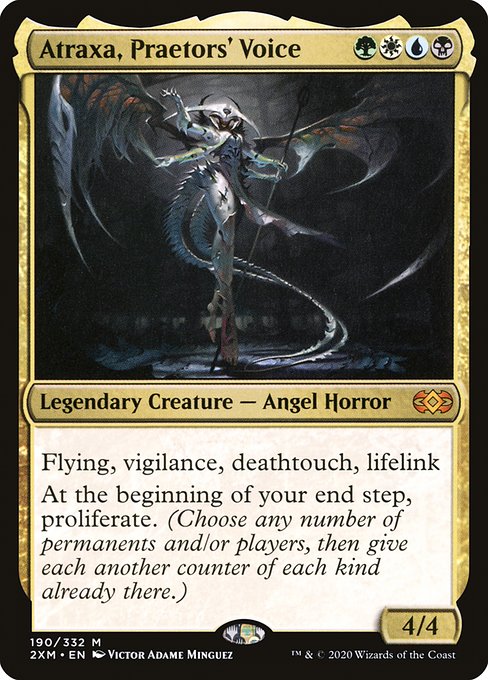
Build a deck of exactly 100 cards around a legendary creature, your commander, who starts the game in the command zone and can be cast again and again (costing 2 more mana each time). Every other card appears only once, and every card must fit inside your commander's color identity: the mana symbols on the card and in its rules text.
Games are usually four-player free-for-alls starting at 40 life, so decks lean toward big plays, politics, and comebacks rather than raw speed. Two commanders are allowed if both have the Partner ability (or a Background pairing).


Great for
Typical table
Card pool
Power level
Cost to build
Oathbreaker
Commander's faster little sibling, with a planeswalker at the helm.
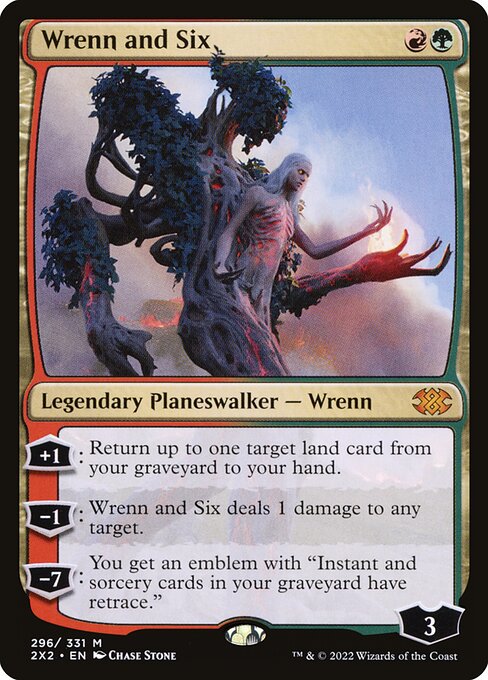
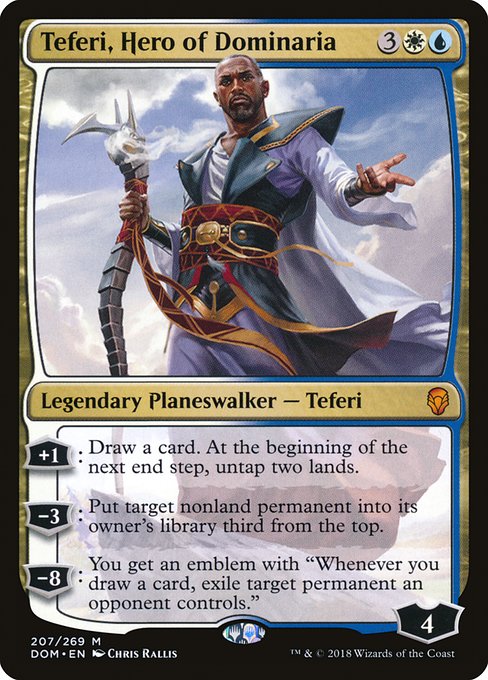
A 60-card singleton format led by a planeswalker (your Oathbreaker) plus a signature spell: an instant or sorcery that shares the command zone with it. The spell can only be cast while your Oathbreaker is on the battlefield, and both go back to the command zone instead of the graveyard, costing 2 more each extra cast.
Everything must fit the Oathbreaker's color identity, including the signature spell. Games start at 20 life and tend to be quicker and more explosive than Commander. Protect your planeswalker, and cash in your signature spell as often as you can.

Great for
Typical table
Card pool
Power level
Cost to build
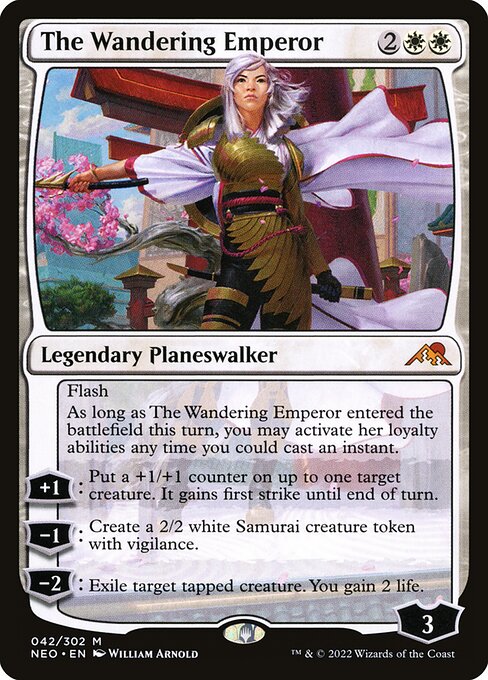
Standard
The newest sets only: Magic's rotating entry point.
Standard uses roughly the last three years of sets; older sets “rotate” out once a year. Decks are at least 60 cards with up to 4 copies of any card, plus an optional 15-card sideboard for games two and three of a match.
Because the card pool is small and refreshes constantly, Standard is the cheapest competitive format to enter and the one that changes most with each new set.
Great for
Typical table
Card pool
Power level
Cost to build
Pioneer
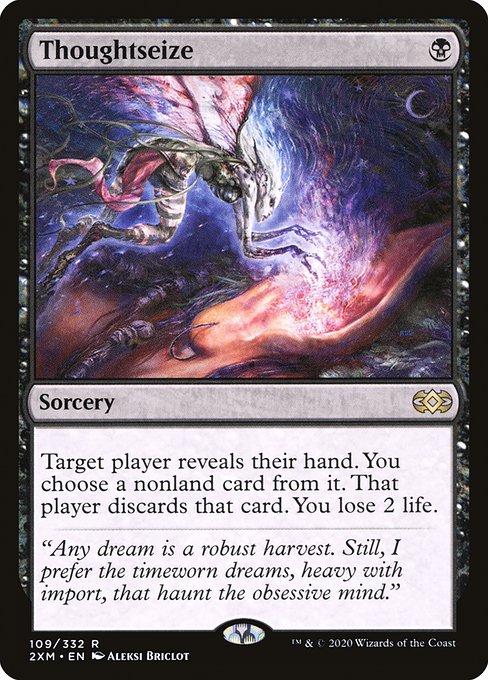
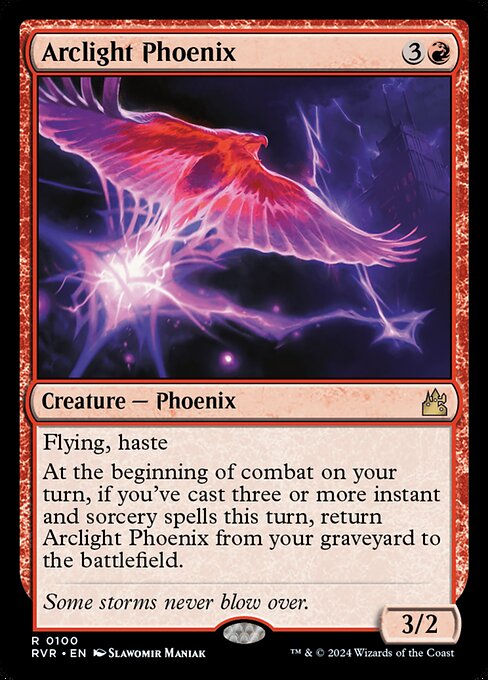
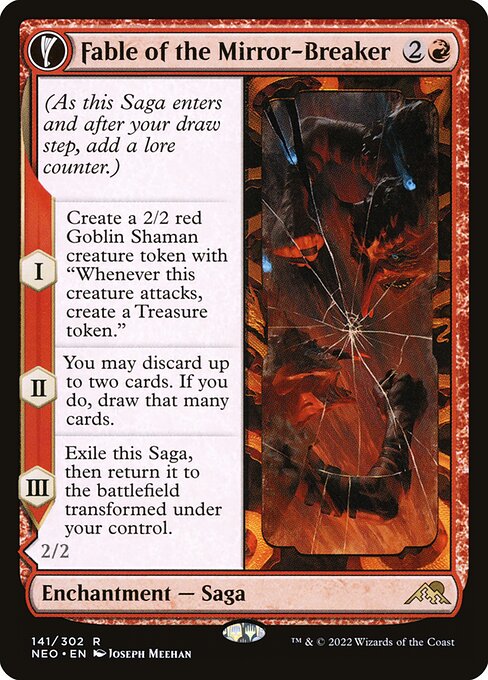
Every set from 2012 forward: modern power without rotation.
Pioneer includes all sets from Return to Ravnica (October 2012) onward and never rotates, so the deck you build stays legal. Same construction rules as Standard: 60-card minimum, max 4 copies, 15-card sideboard.
It sits between Standard and Modern in power: a deep card pool with the very fastest mana (fetch lands, cheap fast mana) deliberately banned, so games are powerful but interactive.
Great for
Typical table
Card pool
Power level
Cost to build
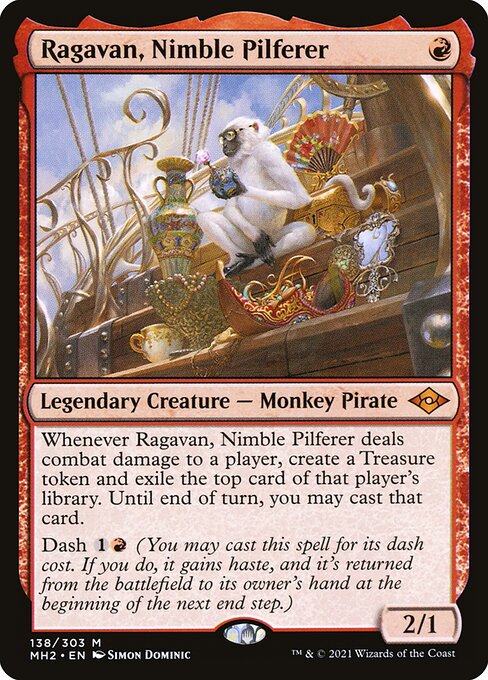
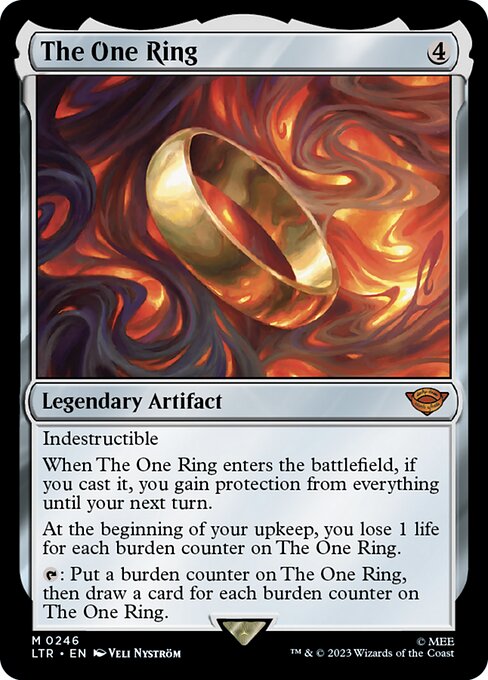
Modern
Two decades of cards: fast, powerful, and non-rotating.
Modern reaches back to 8th Edition and Mirrodin (2003). Decks are 60+ cards, 4 copies max, with a 15-card sideboard. It never rotates, so staples hold their value and archetypes persist for years.
Expect efficient threats, powerful interaction, and games that can end by turn four. It's the most-played competitive constructed format for players who want high power without the wildness of Legacy.
Great for
Typical table
Card pool
Power level
Cost to build
Legacy
Almost every card ever printed, tamed by a deep banlist.
Legacy allows cards from all of Magic's history, with a long banlist keeping the most degenerate pieces out. 60-card minimum, 4 copies max, 15-card sideboard.
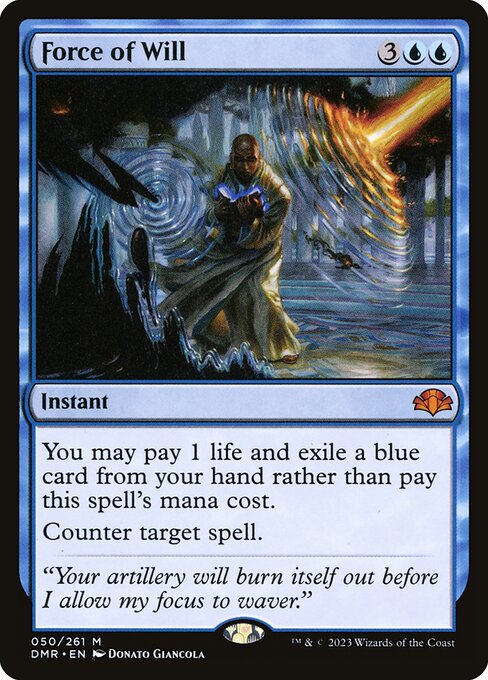
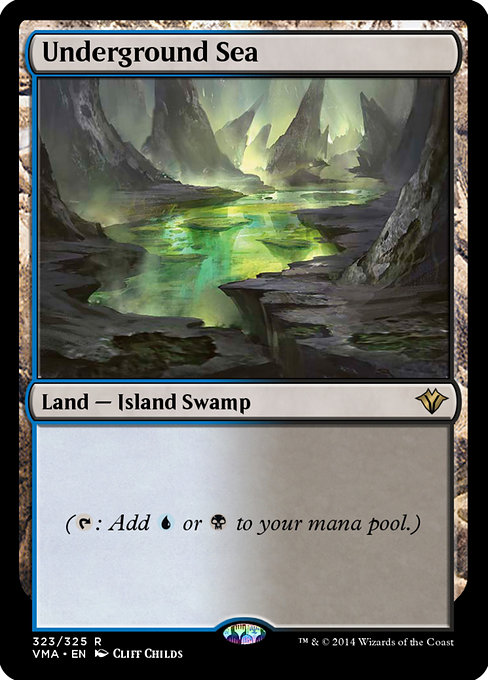
Games feature iconic old staples (dual lands, Force of Will, Brainstorm) and hinge on efficient answers and free interaction. Powerful, skill-intensive, and expensive thanks to the Reserved List.

Great for
Typical table
Card pool
Power level
Cost to build
Vintage
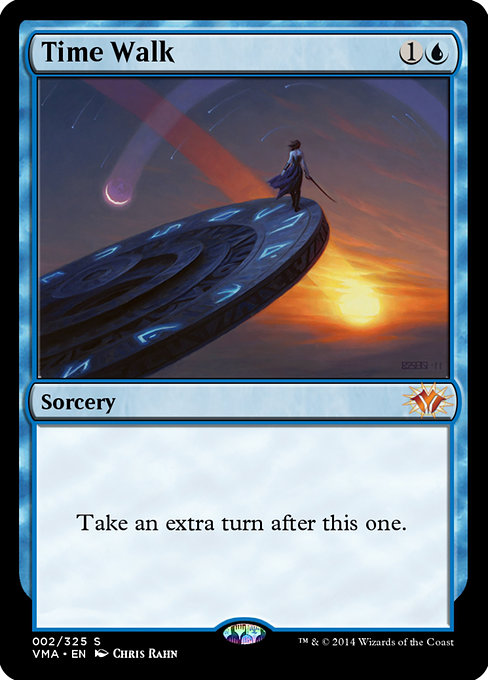
Magic with (almost) everything allowed. The Power Nine live here.
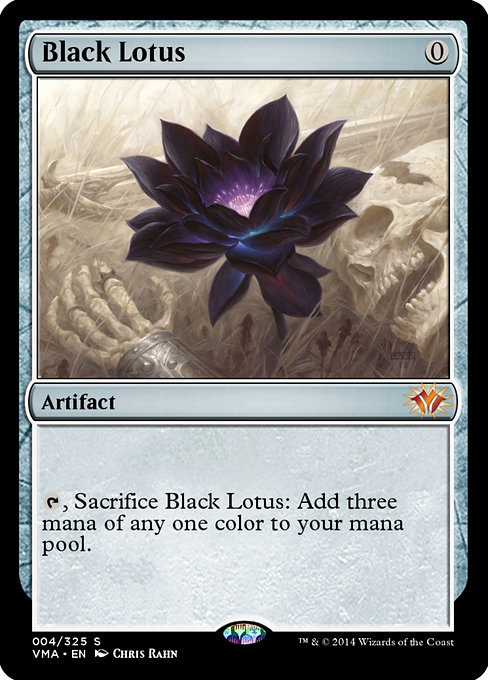
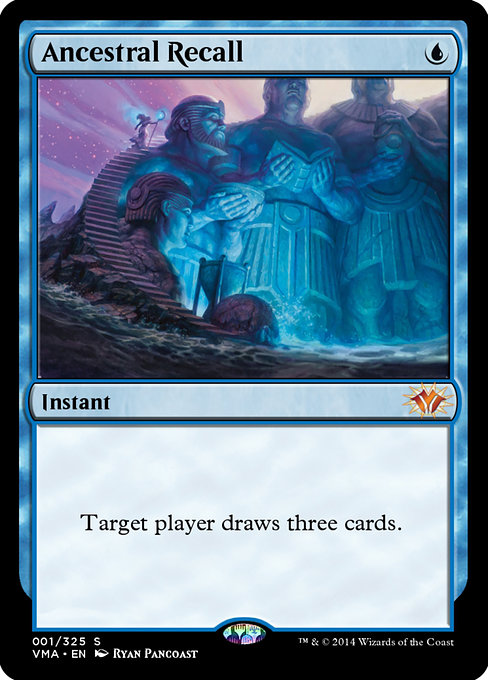
Vintage permits nearly every card ever printed. Instead of banning the most powerful cards (Black Lotus, Ancestral Recall, the Moxen), it restricts them to a single copy per deck. Otherwise: 60-card minimum, 4 copies max, 15-card sideboard.
It's the highest-powered constructed format in the game: broken things happen on turn one, and decks are built to either do them or stop them.
Great for
Typical table
Card pool
Power level
Cost to build
Pauper
Commons only: real competitive Magic on a budget.
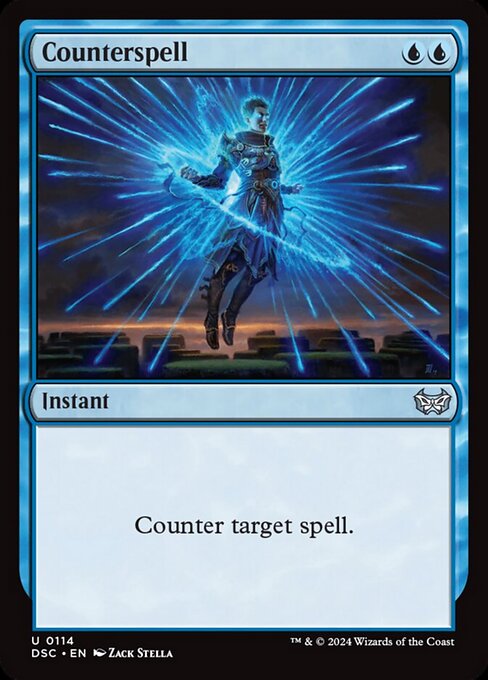
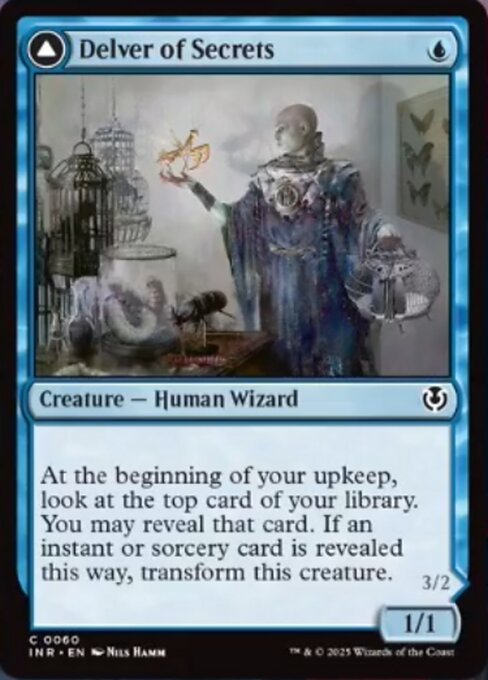
Every card in a Pauper deck must have been printed at common rarity at some point. Standard construction rules apply: 60-card minimum, 4 copies max, 15-card sideboard.
Don't let “commons” fool you. Decades of efficient commons make for genuinely fast, interactive games, and whole competitive decks cost less than a single Modern staple.
Great for
Typical table
Card pool
Power level
Cost to build
Casual
Kitchen-table Magic: your cards, your rules.
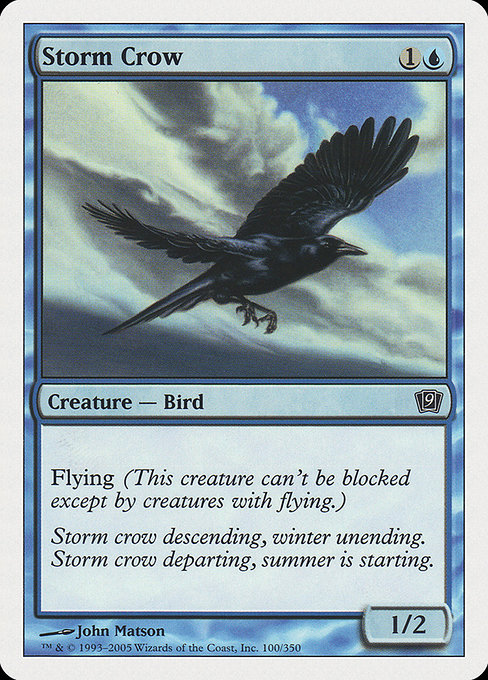
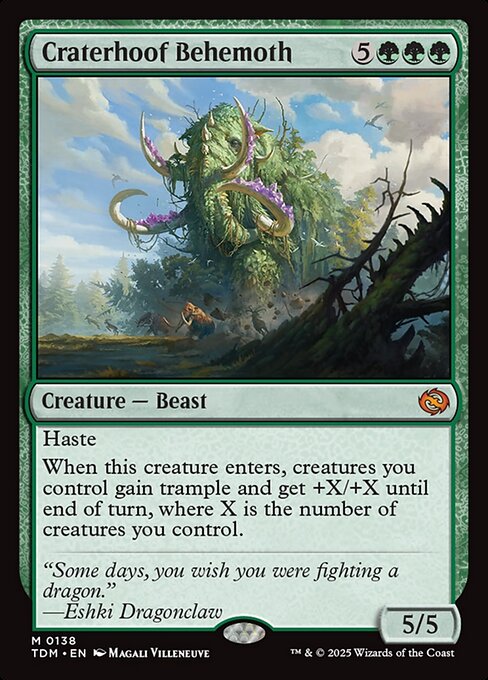
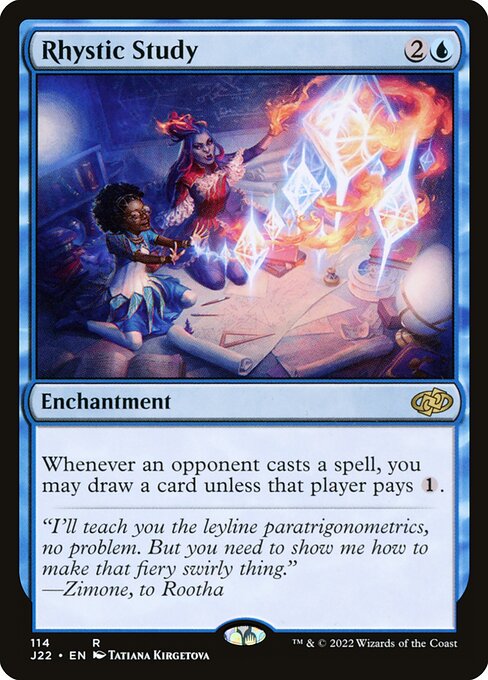
No deck size requirements, no copy limits, no banlist: casual is for jank, house rules, and playing with whatever you own. Scry99 won't flag anything in a casual deck.
It's the right label for theme decks, playtest piles, and anything that doesn't fit a sanctioned format.
Great for
Typical table
Card pool
Banlists are checked automatically against Scryfall's card data, which tracks official banned & restricted announcements, so no manual updates are needed. Legality warnings in the deck editor are guidance, not blockers: you can always keep brewing.